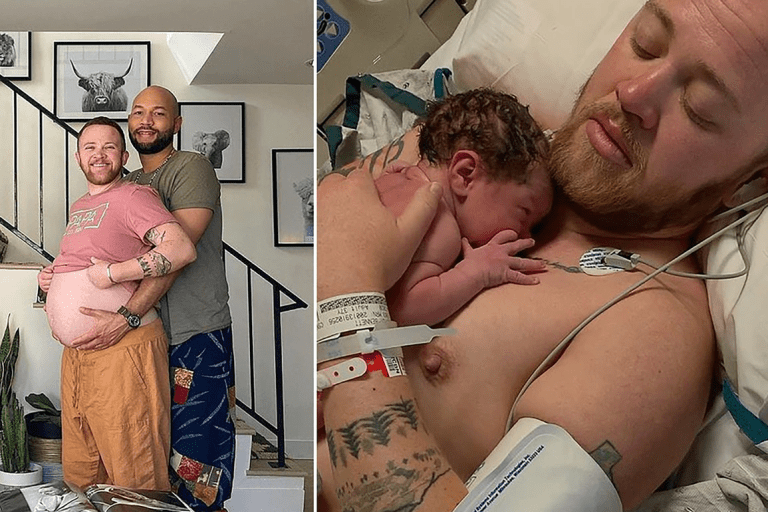
Using someone’s chosen name and pronouns is not simply a matter of courtesy. It is one of the most direct, meaningful ways to affirm who they are. In everyday life, that respect can shape whether a person feels seen or dismissed. In healthcare settings, where patients are often at their most vulnerable, it matters even more. Yet traditional assumptions about gender still influence how medical professionals speak and act. That was the experience of Bennett Kaspar-Williams, a transgender man who gave birth to his son, Hudson, in 2020. Although he was open about his identity and his medical records clearly reflected that he is male, he was repeatedly referred to as “mother” during his scheduled C-section. What should have been one of the happiest days of his life became layered with frustration and emotional strain.